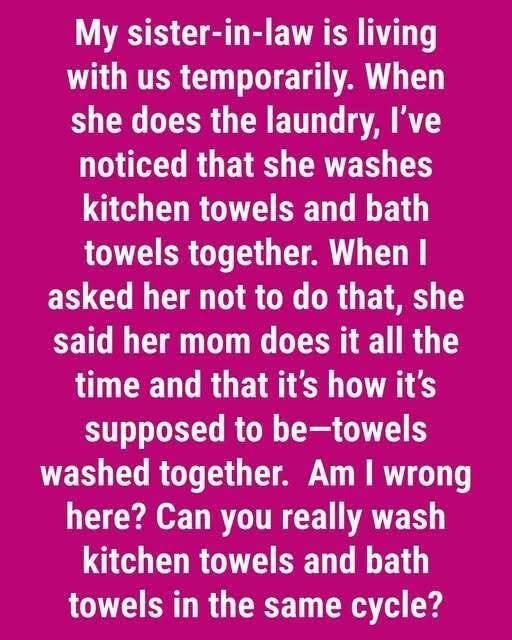
Many people wonder if it is okay to mix all the towels in the house into one single laundry load. It seems like a great way to save time, water, and electricity. For a long time, tossing bath towels, hand towels, and kitchen towels into the same machine cycle without thinking twice was just a standard routine. It simply made the chores go by much faster. However, when you really stop to think about the logic behind how we use different linens, you might start to realize that mixing everything together might not be the best idea.
Think about the moment you are folding a fresh, warm pile of clean laundry. In that pile, you have bath sheets, smaller hand towels, and kitchen dishcloths all mixed together. Then, you realize you are holding a kitchen towel that was previously used to wipe down food counters—where raw chicken juice or other kitchen messes might have been present. Right next to it is the soft bath towel you use to dry off your face right after a nice, clean shower.
When you picture that scenario, something feels a bit off. It makes you ask yourself important questions: Was I really okay with cross-contamination? Was the hot water and detergent enough to kill everything?
After looking closely at how laundry cleanliness works and learning from home care experts, it turns out that both kitchen towels and bathroom towels are exposed to many different types of grime and tiny microorganisms. But this does not mean you absolutely can never wash them in the same machine. It just means you have to be very careful and consider a few important steps before you press the start button.
The Short Answer: Can You Wash Them Together?
The quick answer is yes, you can wash kitchen towels and bath towels together, but there are some very important rules you must follow to keep things clean and safe.
When It Is Safe to Wash Them Together
You can safely mix these towels in the same laundry cycle if you meet the following conditions:
- You use very hot water: The water temperature needs to reach at least 140°F (60°C) or higher. This level of heat is necessary because it kills most types of bacteria, viruses, and mold spores.
- You use an enzyme-based detergent: High-quality detergents containing enzymes are essential because they actively break down proteins, fats, oils, and other organic matter.
- You add a safe disinfectant: Introducing an extra cleaning agent like liquid bleach, oxygen bleach, or white vinegar provides an extra sanitation step to destroy germs.
- You dry them on high heat: Using the high-heat setting on your clothes dryer destroys any remaining microbes and prevents mildew from growing.
- You wash your towels frequently: Changing out your kitchen towels every single day and washing your bath towels after every two or three uses keeps the overall amount of germs very low.
When It Is NOT Safe to Wash Them Together
You should completely avoid mixing your kitchen and bathroom towels if you run into any of these situations:
- You are using a cold or warm water cycle: Many common pathogens can easily survive cooler temperatures, and sticky layers of bacteria called biofilms can remain inside the fabric.
- The kitchen towels have raw meat residue on them: If a dishcloth touched raw meat, there is a major risk of spreading dangerous germs like Salmonella, E. coli, or Campylobacter to your bath linens.
- Someone in your home has a weak immune system: Immunocompromised individuals have a much higher vulnerability to opportunistic infections from shared laundry germs.
- Your front-load washer does not reach high temperatures: Some modern machines use low heat settings that might not get hot enough to fully disinfect fabrics.
- The washing machine is completely overloaded: Stuffing too many items into the tub reduces water circulation and stops the detergent from reaching every fiber, meaning the towels will not get fully cleaned.
The bottom line is quite simple. With the right machine settings, including hot water, a good laundry sanitizer, and high-heat drying, mixing your towels is perfectly fine. Without those specific settings, you run the risk of potentially spreading bacteria from your kitchen kitchen directly to your face.
Understanding the Germ Factor
Both kitchen and bathroom towels act like total magnets for microscopic germs, but they trap completely different types of organisms based on where they are used.
Common Microbes Found on Kitchen Towels
Kitchen dishcloths frequently harbor E. coli, Salmonella, Staphylococcus, yeast, and mold. These germs come directly from raw meat juices, unwashed fruits and vegetables, damp countertops, and leftover food particles.
Common Microbes Found on Bath Towels
Bathroom linens are more likely to collect Staphylococcus, Streptococcus, skin fungi, and mold. The sources for these are dead skin cells, body sweat, natural oils, and the humid, wet environment of the bathroom.
Microbes Found on Both Types
If any towel is not dried quickly and properly, it will develop mildew, mold spores, and dust mites. This happens because of damp storage conditions, poor air ventilation, or letting towels sit too long between washes.
The Real Danger of Cross-Contamination
When you make the mistake of washing kitchen and bathroom towels together without using proper disinfection methods, a few gross things can happen:
- The invisible bacteria living on your kitchen cloths can easily transfer onto the towels you use for your body.
- The thick fibers of your bath towels can trap tiny, unseen food particles left behind by the dishcloths.
- Mold spores from damp bathroom towels can spread across the entire load of laundry.
As a matter of fact, a well-known study from the University of Arizona found that kitchen towels can harbor more bacteria than toilet seats. This is especially true when people use the same kitchen towel for multiple different tasks and forget to wash it frequently.
Best Practices for Washing Towels Together Safely
If you prefer the convenience of washing all your household towels in a single load, you should use these step-by-step methods to minimize any sanitary risks.
1. Sort by the Level of Dirt
Keep heavily soiled kitchen towels away from lightly used bath towels. This prevents heavy grease, food grime, and stains from floating in the water and settling onto your clean bath linens.
2. Pre-Treat Stains Immediately
Apply a splash of liquid detergent or an enzyme-based pre-soak directly to food stains or bodily fluids. This helps break down tough organic matter before the main washing cycle even begins.
3. Always Select Hot Water
Set your washing machine temperature to 140°F (60°C) or higher. High heat alters the structure of proteins and successfully destroys the vast majority of household pathogens.
4. Pick a Detergent with Enzymes
Look for a quality laundry soap that features active enzymes like proteases, lipases, and amylases. These components are excellent at breaking down the stubborn proteins, fats, and carbohydrates found in food stains.
5. Use a Reliable Disinfectant
Add classic chlorine bleach if you are washing a load of pure white towels. For colored towels, use color-safe oxygen bleach or add one cup of plain white vinegar to the wash to add an extra layer of germ-killing power.
6. Give the Laundry Plenty of Room
Never pack the washer tub completely full. Leave enough open space for the towels to tumble and agitate freely, which ensures that the soapy water flows completely through all the thick fabrics.
7. Turn the Dryer to High Heat
Tumble dry your items until they are absolutely bone-dry. You should avoid line-drying towels indoors, as slow drying can encourage mildew. High dryer heat works to eliminate any tiny microbes that managed to survive the wash cycle.
8. Store Items in a Dry Place
Once dry, fold your towels and keep them in a well-ventilated closet or cabinet. Storing them in dark, humid spaces can cause them to absorb moisture from the air, which leads to recontamination.
An excellent pro tip to remember is that if your washing machine does not have a reliable hot water cycle, you can pre-soak your dirty towels in a separate bucket of hot water mixed with detergent before you put them into the machine.
When to Keep Kitchen and Bath Towels Separate
For Complete Cooking STEPS Please Head On Over To Next Page Or Open button (>)